
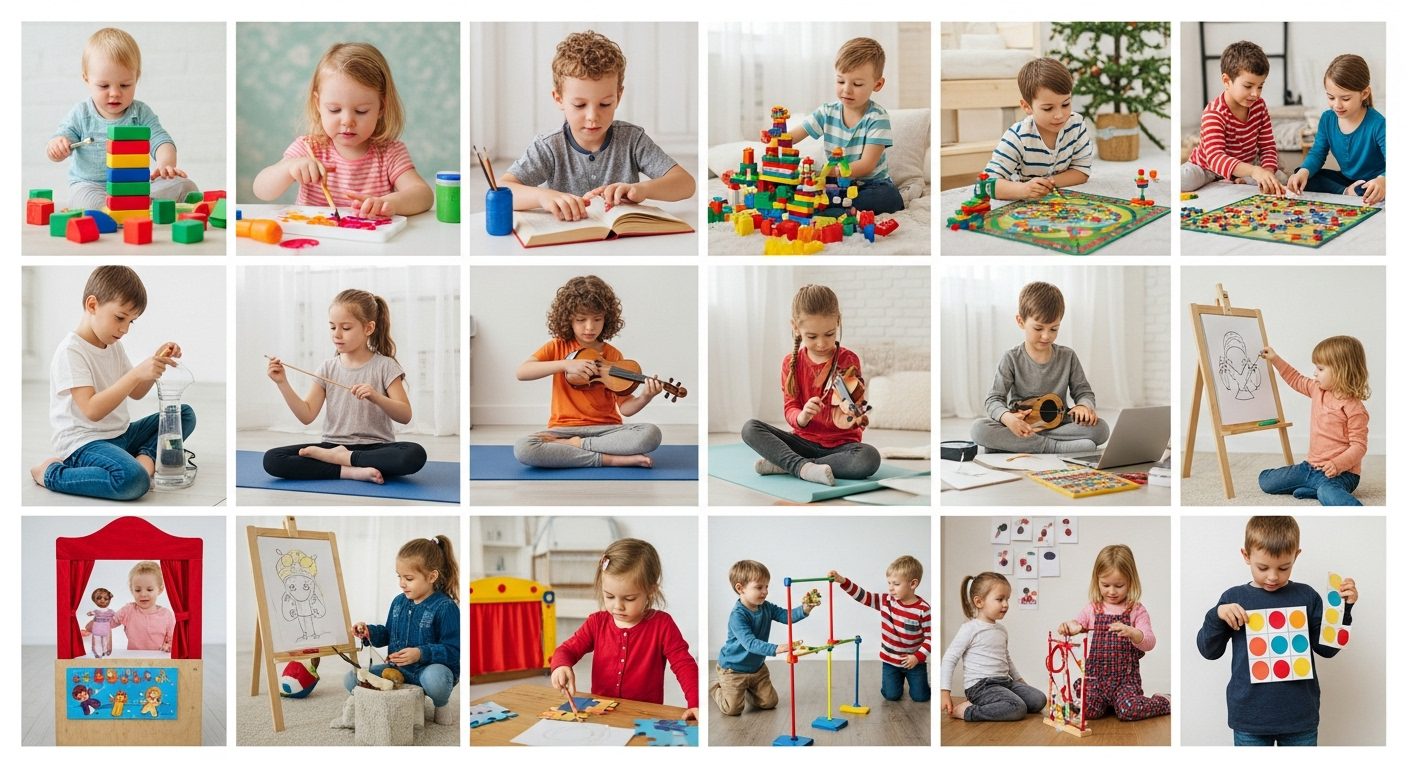
Keeping children entertained on their own can feel tricky, especially indoors. From my own experience, I’ve found that even small spaces can become exciting zones for solo play with a bit of creativity.
Simple activities like building, drawing, imaginative games, or quiet challenges allow children to stay engaged while developing important skills like focus, problem-solving, and independence. Solo play not only gives kids a chance to explore their imagination but also helps them gain confidence, self-discipline, and patience.
In this guide, you’ll discover easy and fun indoor activities that children can enjoy alone. These ideas are especially helpful for busy parents or families with only one child. Children of different ages can play these games or activities independently while remaining safe, entertained and happily engaged.
Indoor Solo Playing Ideas for Toddlers (2–3 Years)
1: Stacking Cups
Stacking Cups is a simple yet engaging activity that keeps children happily occupied on their own. With just a set of plastic or paper cups kids can build towers, patterns and creative structures that gives them a sense of achievement as they see their creations grow.
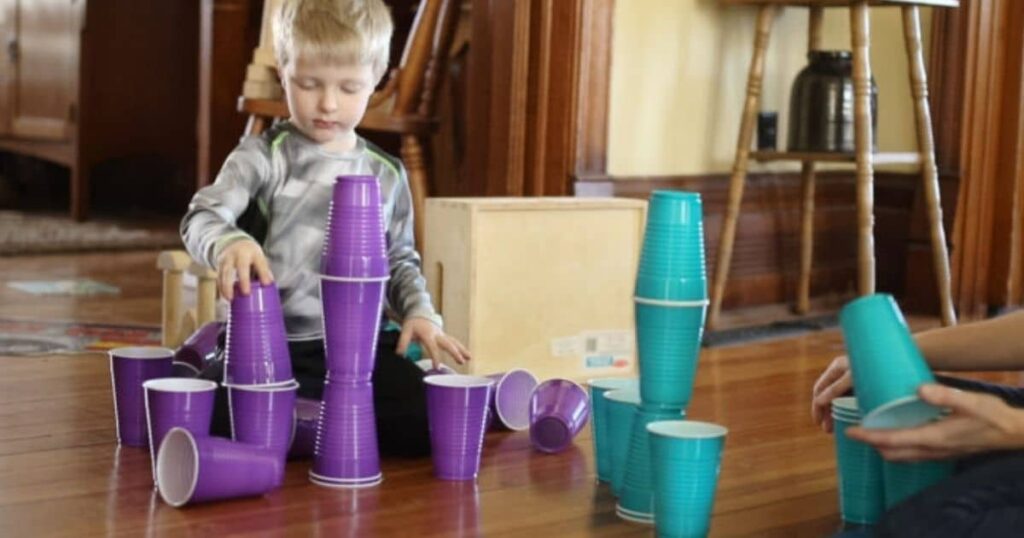
How to setup at home :
- Gather a set of plastic, paper, or lightweight cups
- Clear a small flat surface like a table, floor, or countertop
- Encourage the child to experiment with different tower shapes and patterns
- Optionally, mark small challenges, like building a tower of a certain height or pattern
- Keep extra cups nearby for easy rebuilding or trying new ideas
Benefits :
This activity encourages focus, hand-eye coordination, and patience, making it ideal for solo play, especially for children who are playing alone at home. It’s quiet safe and can easily keep a child entertained for longer periods while also boosting their confidence and problem-solving skills.
2: Water Play with Cups & Spoons
For kids who enjoy solo play, water play with cups and spoons is a wonderful indoor activity that combines fun and learning. Using a shallow tub or bowl filled with water, a child aged 2–3 years can pour, scoop, and experiment with cups, spoons, or small containers on their own.
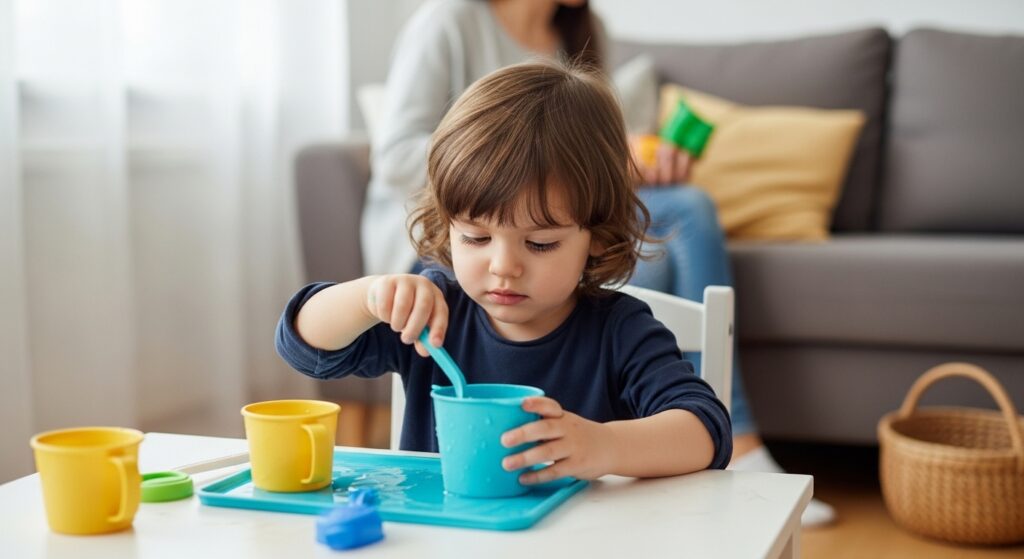
How to setup it at home :
- Gather plastic cups, spoons, and a towel
- Fill one or two cups with a small amount of water
- Place everything on a tray or easy-to-clean surface
- Keep a towel nearby for quick cleanup
- Let the child pour and transfer water using spoons
Benefits :
Water Play with Cups & Spoons helps children improve hand-eye coordination and focus as they carefully pour and transfer water. It also supports sensory development and keeps kids calmly engaged. This activity is perfect for solo play, giving parents a little time to manage daily tasks while the child stays happy and busy. It can be a perfect activity for small homeowner families.
3 : Shape Sorting
Shape Sorting is a calm and engaging activity that helps children learn while playing on their own. Kids match different shapes into the correct spaces or groups, which keeps them focused and curious.
This activity is perfect for solo play, as children can sit quietly and explore shapes at their own pace. It not only keeps them busy but also builds early learning skills in a fun and stress-free way.
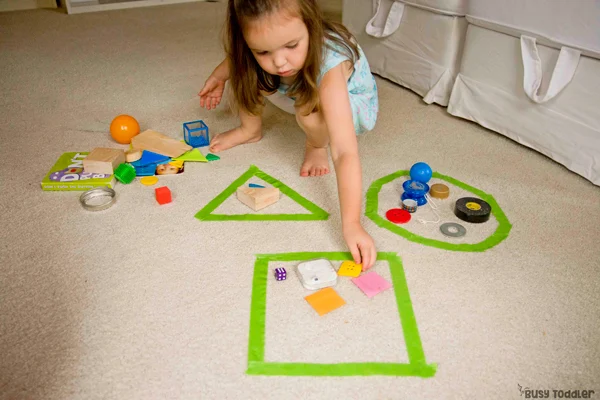
How to setup it at home :
- Gather shape sorting toys, blocks, or cut-out paper shapes
- Use a tray, box, or simple containers for sorting
- Show the child how to match shapes once
- Let them explore and sort shapes on their own
- Keep the setup simple and easy to manage
Benefits :
Shape Sorting helps children improve problem-solving and thinking skills as they match shapes correctly. It also builds focus, patience, and hand-eye coordination. For solo play, it encourages independent learning and confidence, allowing kids to stay engaged without constant help.
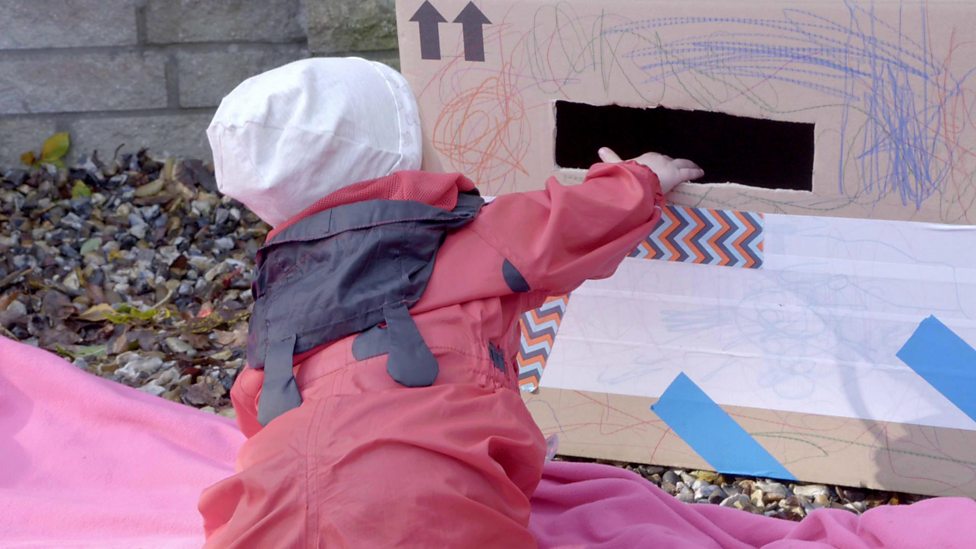
4: Posting Game
Posting Game is a simple and quiet activity that children can enjoy on their own. In this game, kids post small objects like coins, cards, or sticks into a container or slot. It may look very basic, but children find it fun and satisfying to repeat. This activity is perfect for solo play because it keeps kids calm, focused, and busy without needing much space or supervision.
How to setup it at home :
- Take a small box or container with a slot
- Gather items like coins, cards, sticks, or small toys
- Place everything on a tray or flat surface
- Show the child how to post items once
- Let them repeat and explore on their own
Benefits :
Posting Game helps children improve fine motor skills and hand control. It also builds focus, patience, and coordination through repeated actions. This activity supports independent play, keeping children engaged and helping them feel confident while playing alone.
Sometimes parent’s are curious to find specific indoor activities for bad weather conditions like (Rainy weather, Summer weather and Snowing weather), You can try this activity in all types of weathers to keep your child’s engaged at home.
Solo Play Indoor Activities for Preschoolers (4–5 Years)
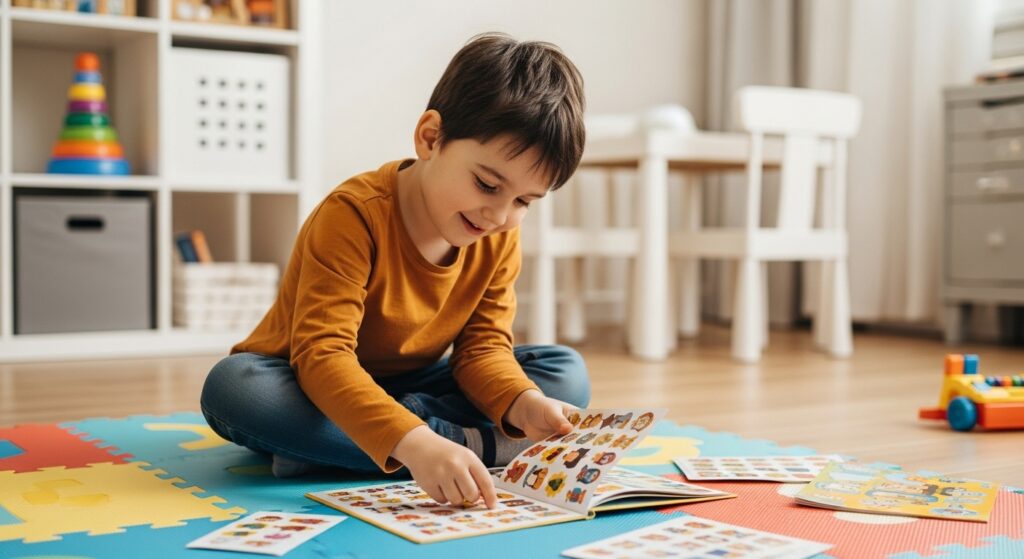
1: Sticker Books
Sticker books are a fun indoor activity where preschoolers can play independently, decorating pages on their own with themed stickers. This simple idea improves hand-eye coordination, fine motor skills, and concentration while keeping little ones engaged.
Benefits :
Sticker Books help children’s to express their ideas and creativity as they build scenes and tell their own stories through stickers. This activity also supports decision-making skills, as kids choose where and how to place each sticker.
It also creates a sense of calm focus and emotional comfort, making it a great option for quiet solo time, especially when a child needs a relaxing and screen-free activity.
2: Quiet, portable activity
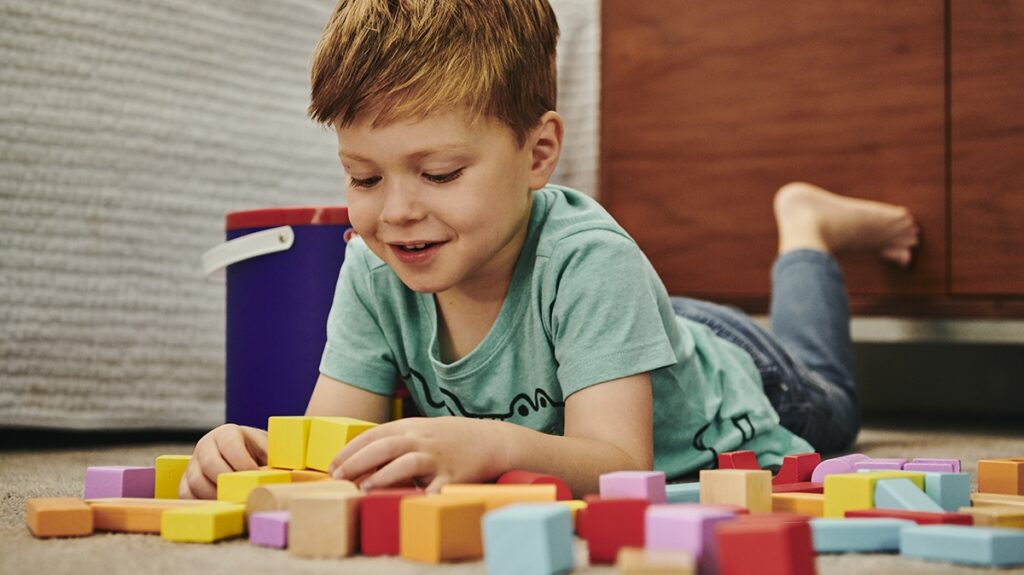
Quiet, portable activity kits are small bags filled with simple indoor activities like threading, matching games, or puzzles that a child can explore on their own, These activities are even ideal for kids in playing small spaces.
How to setup it at home :
- Choose a simple puzzle according to the child’s age
- Use a flat surface like a table or floor
- Keep all puzzle pieces in one place
- Show the child how to start once
- Let them solve it on their own at their own pace
Benefits :
Puzzle games help children to develop logical thinking and pattern recognition as they figure out how pieces fit together. They also build attention to detail and persistence, teaching kids to stay engaged even when something feels challenging.
3: Coloring Pages
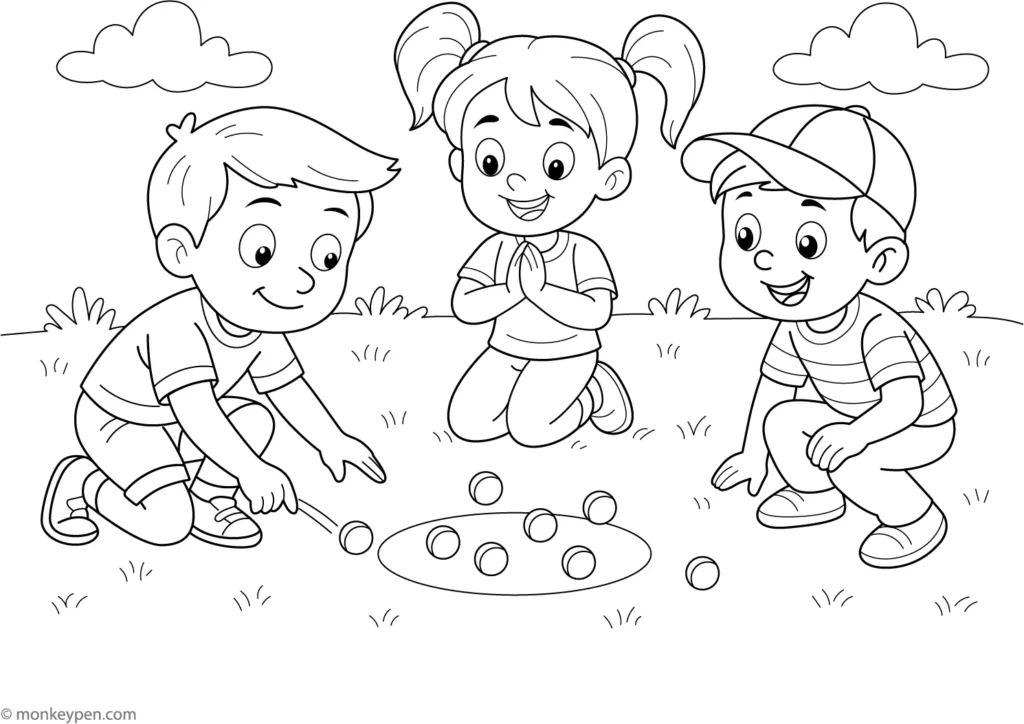
Coloring pages are simple indoor activities where toddlers can use printed sheets and crayons to create their own artwork on their own. This activity is perfect for solo play because it allows children to focus, relax, and make choices about colors and designs at their own pace.
How to setup it at home :
- Gather coloring books or printed coloring pages
- Provide crayons, markers, or colored pencils
- Use a flat surface like a table, desk, or even a tray on the floor
- Keep a cup or container for holding colors to stay organized
- Encourage the child to choose pages and colors independently
- Optionally, add stickers or stamps for extra fun
Benefits :
This activity boosts creativity, hand-eye coordination and fine motor skills while children play independently. Beyond physical skills, coloring encourages focus, relaxation, and mindfulness, giving children a sense of accomplishment and confidence with each completed page. It’s a perfect solo activity that combines learning, self-expression, and quiet fun all at once.
4: Water Painting
Water painting is a creative indoor activity, where toddlers use magic water books or brushes to reveal colours on their own. Using just a brush and a cup of water, kids can “paint” on paper, cardboard, or even a chalkboard, watching colors appear and disappear.
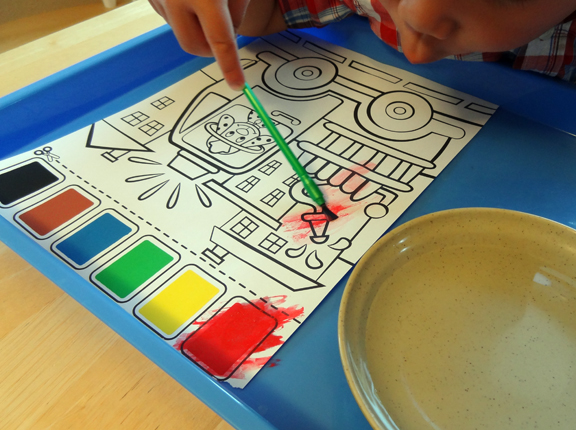
How to setup it at home :
- Gather a small cup of water and a paintbrush
- Use thick paper, cardboard, or a chalkboard as the painting surface
- Place a towel or tray underneath to catch drips
- Show the child how to dip the brush and “paint” with water
- Encourage them to create patterns, shapes, or pretend pictures
- Refill water as needed and let the child explore freely
Benefits :
Water Painting boosts creativity and imagination as children experiment with colors and shapes. It also improves fine motor skills and hand control through brush movements.
This activity encourages patience and concentration, as kids watch their designs appear and slowly disappear. These all things makes it perfect for solo play while keeping children engaged, relaxed, and proud of their creations.
Indoor Solo Play Activities for Early Primary (6–8 years)
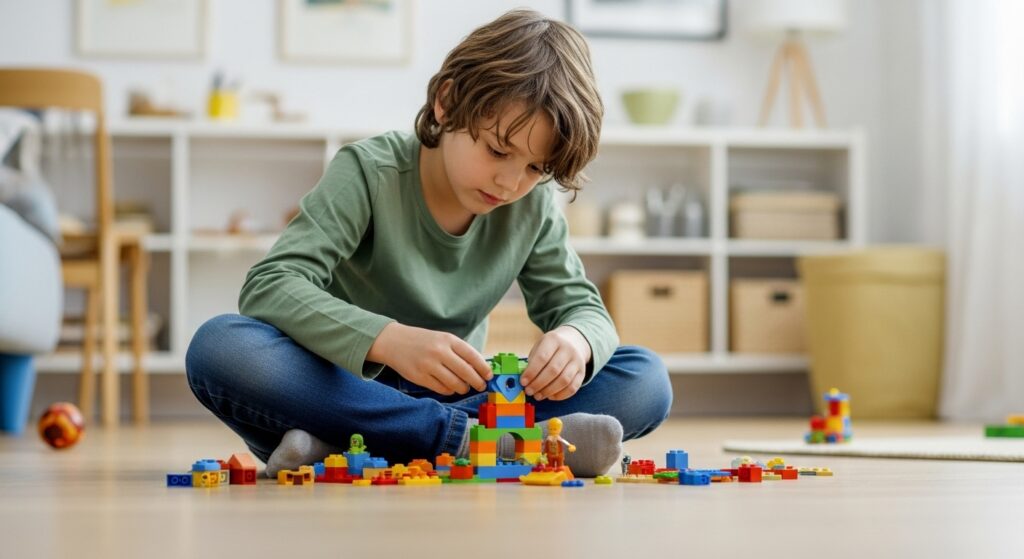
1: Lego Building
Lego Building is a creative solo activity where children use colorful Lego blocks or similar building bricks to construct towers, vehicles, houses, or any design they imagine.
With just a flat surface and some bricks, kids can explore endless possibilities, experimenting with shapes and structures while enjoying independent play.
How to setup it at home :
- Gather a set of Lego blocks or similar building bricks
- Use a flat surface like a table, tray, or floor area
- Keep blocks sorted by size or color for easy access
- Encourage the child to build freely or follow simple designs
- Provide a small storage box for cleanup and organization
Benefits :
Lego Building improves fine motor skills and hand-eye coordination. It fosters creativity, spatial awareness, and problem-solving, allowing children to experiment and plan their constructions.
The activity also promotes focus, patience, and independent play, giving kids a sense of pride and accomplishment when their creations are complete.
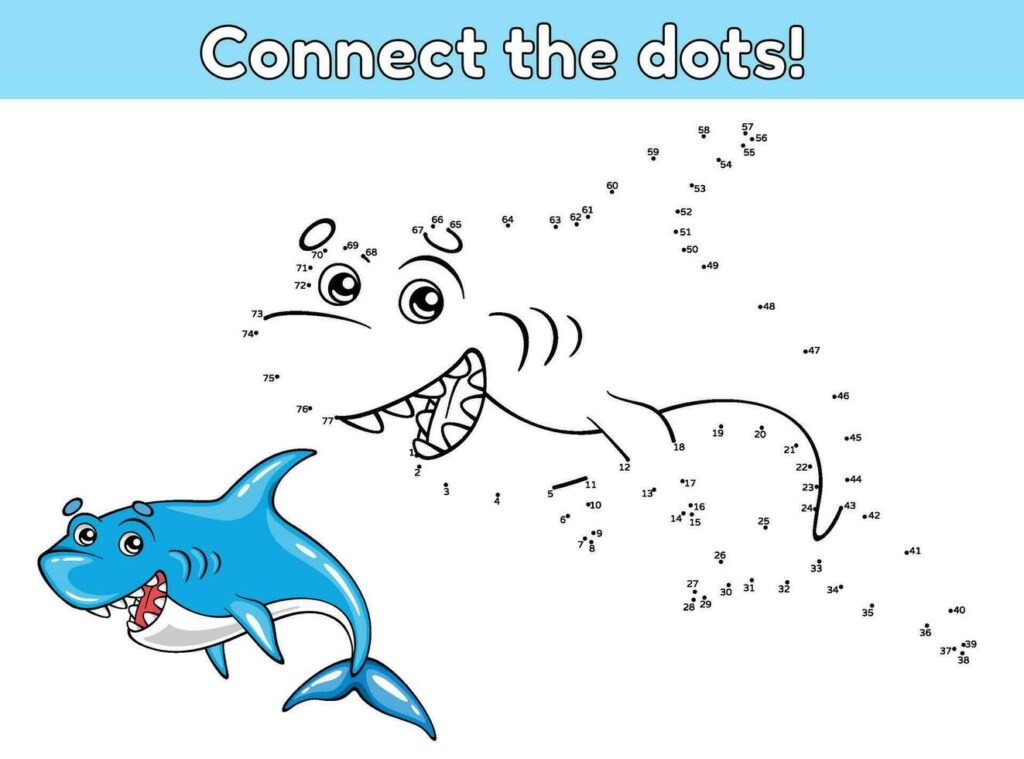
2: Dot-to-Dot Books
Dot-to-Dot Books are a fun and educational solo activity where children connect numbered dots to reveal pictures. All they need are dot-to-dot books and a pencil or crayon.
This simple activity turns a blank page into a complete image, encouraging children to follow sequences, focus carefully, and enjoy seeing their work come to life. It’s perfect for quiet, independent play and can keep kids engaged for long stretches.
How to setup at home :
- Gather a dot-to-dot book and a pencil or crayon
- Provide a flat surface like a table, desk, or lap tray
- Show the child how to start connecting the numbers once
- Encourage them to complete the picture at their own pace
- Keep an eraser nearby for mistakes
Dot-to-Dot Books improve number recognition, sequencing, and hand-eye coordination. They also help children focus, develop patience, and build confidence as they see a full picture appear from their effort.
Another benefit of it is that they can safely try this Indoor activity when parent’s are busy in remote work, some parents experience it ,completing each picture gives a sense of achievement, giving parents a short breath while they concentrate.
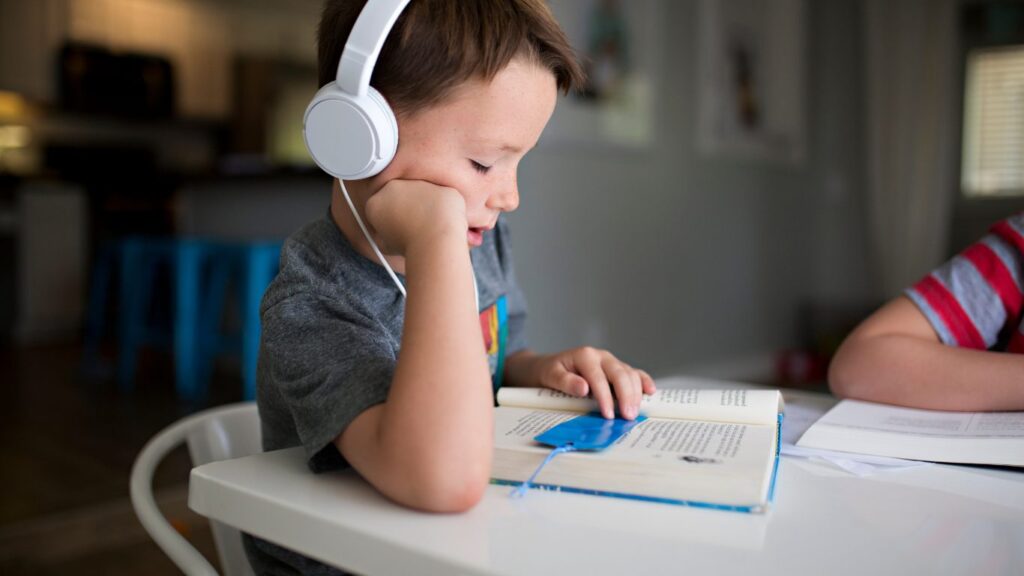
3: Audiobooks
Listening to audiobooks gives a child a calm way to enjoy stories on their own. This indoor activity encourages imagination, focus, listening skills, and vocabulary while letting them engage in solo play.
How to setup at home :
- Use a CD player, tablet, or pre-loaded device with age-appropriate stories
- Provide headphones if needed for quiet listening
- Let the child choose a story they like
- Set up a comfortable spot like a chair, sofa, or floor cushion
- Encourage independent listening and exploration
Benefits :
Audiobooks enhance listening skills, vocabulary, and comprehension as children follow along with stories. They also foster imagination and storytelling ability, allowing kids to visualize characters and scenes in their mind.
This activity also encourages self-directed learning and provides a calm, focused way to stay engaged while giving parents some quiet time nearby.
4: Scavenger Hunts
Scavenger Hunts are an exciting solo activity where children search for specific items hidden around the home. Using a simple list of objects, pictures, or clues, kids move from one spot to another, trying to find everything on their list. This activity turns everyday spaces into a fun challenge and keeps children curious and engaged.
How to setup it at home :
- Create a simple list of items to find (toys, colors, shapes, or household objects)
- Hide or place items around the room or different areas of the house
- Give the child the list or picture clues
- Set a time limit or let them search at their own pace
- Keep the activity safe and easy to manage
Benefits :
Scavenger Hunts build observation skills and attention to detail as children search carefully for each item. They also encourage decision-making and independence, since kids plan where to look and how to complete the task. This activity adds a sense of adventure and excitement, helping children stay motivated and engaged while exploring their surroundings in a fun and meaningful way.
Made Solo Play A Fun time
Solo play is not just about keeping children busy it’s about helping them grow with confidence and independence. With simple activities like stacking cups, puzzles, coloring, water play, and scavenger hunts, kids can explore, learn, and enjoy their own company in a meaningful way.
It has been reveled in a research, giving children the space to play on their own builds a sense of self-reliance and creativity that stays with them as they grow. These activities create a perfect balance where children stay happily engaged, and parents get a little breathing space, knowing their child is learning, exploring and having fun all at the same time.