

Everyone knows that time is important, but for students, it matters even more. Following a daily routine helps them develop good habits from an early age and ensures their school day is well-structured and productive.
No matter what we do, it’s natural for humans to feel bored or distracted if there is no routine. The same happens in a student’s life without a clear plan for when to study, eat, sleep, or play, children can easily feel restless and unmotivated.
That’s why having a daily routine for students is so important. A structured timetable helps them manage their study time, playtime, sleep, and family time in a balanced way. In this post, we will discuss the benefits of a well-planned routine, and I’ll also share our family’s personal routine that has been very helpful for us.
Why are routines important for students?
A daily routine gives students a clear sense of what to do and when to do it, which makes their day smoother and less stressful. Without a routine, children can feel restless, lose focus, or waste time deciding what to do next.
A good routine helps them manage their study, play, rest, and family time effectively. It also teaches them discipline, responsibility, and time management, while making them more confident and independent.
Even experienced teachers always recommend a complete routine for exams preparation, because a structured routine in any field or activity brings positive results. Over time, these habits improve not just their school performance but also their overall well-being.

Having a daily routine for kids has many benefits, including:
Better Focus and Concentration: Students know when to study, which helps them concentrate and complete tasks efficiently.
Improved Time Management: A routine teaches children how to balance schoolwork, playtime, and rest.
Reduced Stress: Knowing what to do and when prevents last-minute rush and anxiety.
Healthy Habits: Regular mealtimes, sleep, and exercise become part of daily life.
Increased Independence: Following a routine encourages children to manage their own tasks without constant reminders.
Boosted Confidence: Completing tasks on time and sticking to a schedule makes children feel proud and motivated.
How Daily Routine Improves Parents Child Relationship
A parenting teacher once taught me the 80/20 rule, It is a simple parenting rule where children and kids need more positivity than negativity each day, even when constructive criticism feels like a negative category such as telling kids what to do.
A daily routine for students doesn’t just keep children organized — it also helps build a stronger, more positive relationship between parents and kids. When days follow a predictable pattern, children feel safe, secure, and calm, and this emotional stability makes it easier for them to connect with their parents.
Predictable routines like family meals, bedtime rituals, or shared homework time give parents and children meaningful moments together where they can talk, laugh, and understand each other better. Routines create an environment where communication flows more naturally and emotional bonds grow stronger over time a key foundation for healthy family relationships.
Source ( kidsmentalhealthfoundation.org)
1: Morning routine which works for my kids
1. Exercise
When kids wake up, it’s important to channel their energy in the right way, because jumping straight out of bed can make them feel tired or sluggish. I’ve noticed that starting the day with small activities to get moving helps both children and parents feel more awake, focused, and ready for the day ahead.
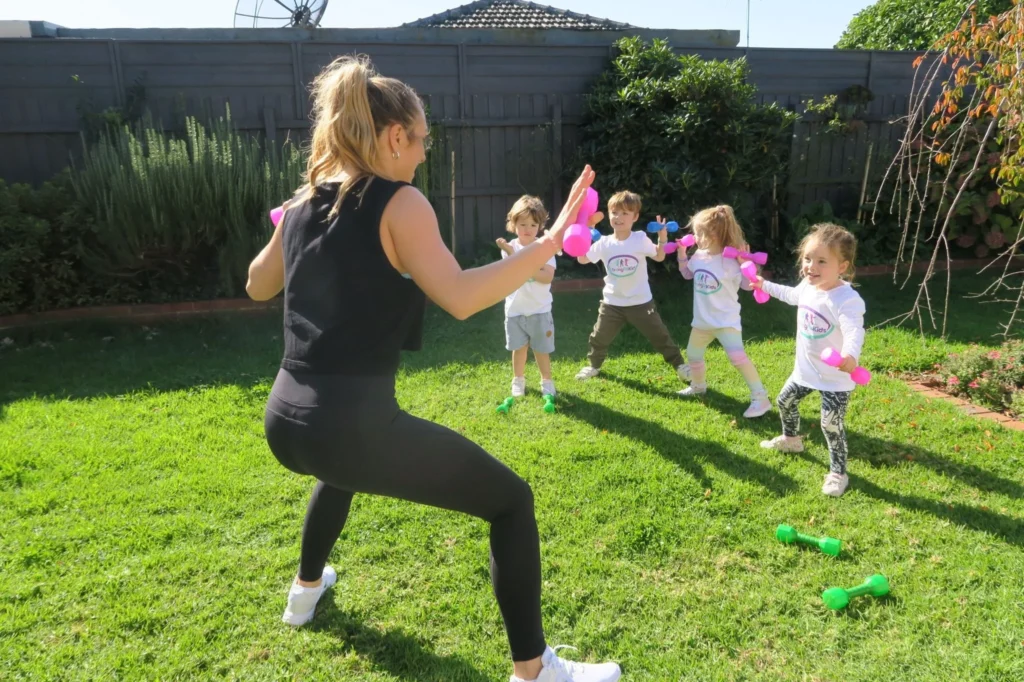
Adding morning exercise routine is a great idea, whether it’s taking the dog for a walk outside, doing a jump on a trampoline, a light workout, an exercise video, or a short yoga routine for 15-20 minutes. Doing exercise each morning is the perfect way to get everyone ready to start school, improve focus, and fit naturally into daily routine.
2. Breakfast and Chaos
The clutter that drives you batty at the beginning of the day often starts around breakfast, especially when household chores are ignored.
From my own mornings, I’ve learned the perfect solution is to let kids straighten up the kitchen, dining room, and school area, even if it’s just to run the vacuum quickly.
Letting kids do small chores in the morning gives them a chance to wake up fully and get ready for the day. Spending just a few minutes to tidy their room or put things in order makes mornings calmer and more organized. At the same time, it teaches them good habits like keeping their space clean and being responsible—all in a simple and natural way.
3. Morning meeting
Starting the day with a short morning meeting can make mornings calmer and more organized. During this time, kids can share what they are thankful for, talk about their plans for the day, or discuss any worries they might have. It only takes a few minutes, but it helps children feel heard, supported, and ready for school.
In our home, we sit together for a quick chat before breakfast or leaving for school. I’ve noticed that after this small meeting, my kids are more focused, positive, and confident, and our mornings feel smoother. A simple morning meeting teaches them communication, mindfulness, and emotional awareness in a gentle and natural way.
Check our complete morning routine schedule that is proven by parent’s and fully according to experts suggestions must read them to make your morning routine stress-free.
2: After school routine ideas for kids at home
1: Healthy Snacks
After a long day at school, kids often feel hungry and tired. Providing healthy snacks helps them recharge and stay focused for homework or playtime. I usually prepare simple options like fruits, yogurt, nuts, or something quick and easy to eat.

Having a snack routine teaches children to make better food choices and keeps their energy levels stable. I’ve noticed that when kids eat healthy snacks, they are happier, more alert, and ready to enjoy the rest of the day. Small habits like this also help them develop long-term healthy eating patterns naturally.
2: Homework Time
After school, setting a specific homework time helps children stay focused and finish their tasks on time. I make sure my kids have a quiet, well-lit space with everything they need, so they can concentrate without distractions.
Following a routine for homework teaches children discipline, responsibility, and time management. I usually check in occasionally to answer questions or guide them, but I let them work independently as much as possible.
Over time, this builds their confidence and helps them develop a positive attitude toward learning. A consistent homework routine also makes evenings smoother, leaving time for play, family, and relaxation after their work is done.
3: Play Time
Once homework is complete, play time becomes an important part of the after school routine for students . Giving about an hour of free time before dinner allows kids to relax and enjoy leisure activities.
Parents can encourage play, but some days, children may prefer to watch TV or hang out on a tablet, and that’s okay as long as screen time is balanced with active play.
Having a clear routine structure helps maintain balance, making daily routine ideas easier to follow while teaching kids the value of relaxation and structured free time.
If you want our complete after school routine that really works for students explore here.
3: Dinner and family time routine ideas
Creating peaceful mealtimes and meaningful family memories can turn an enjoyable dinner time into a cherished part of the day, especially with young kids. A simple family dinner routine becomes the ticket to managing supper with small children.

While keeping it calm and enjoyable, even when there are spilled cups, picky eaters, hangry meltdowns, food on the floor, or temper tantrums that feel like normal guests at the table. Follow these essential tips to make your dinner time meaningful and enjoyable.
1: Get creative in what you make for dinner
The Internet can be a true blessing when it comes to finding new recipes for dinner and family time, from copycat recipes like Olive Garden salad dressing, Panera Bread broccoli cheese soup, Wendy’s chili, tomato basil soup, wet burritos, or chicken enchiladas.
During laid back days of summer, it’s the perfect opportunity to research and branch out of your comfort zones to discover a new family favorite. Trying different meals not only makes meal planning and cooking more fun but also keeps kids excited about family meals, helping maintain routine ideas for school students.
2: Bring your kids into the kitchen with you
Making dinner together can be a great time to have fun, make memories, and teach basic skills to kids, even if it gets messy and takes more time than doing it alone. Spending time in the kitchen with your children is not relaxing, but these moments are ones they will never forget.
Teaching kids meal preparation early can pay off down the road, helping older kids take on responsibilities and eventually make meals on their own.
From my experience, it’s a wonderful way to enjoy dinner, family time, cooking together, and build important life skills, supporting routine ideas and daily routine ideas for school students at home.
4: Bedtime routine ideas for kids to calm down
1. Be Consistent With a Bedtime Routine
For children, predictability is key and having a consistent bedtime routine can help in calming children while preparing them for sleep readiness.
A simple routine like using the bathroom, brushing teeth, reading a book, singing a song, and going to sleep helps them start identifying sleep time and wind down naturally.

By creating a routine with a few steps and being consistent each night, parents can signal to their child that it’s time to sleep, preventing tantrums caused by changing patterns.
Even if the same routine is followed for months or years, sometimes a switch up routine keeps it effective. These bedtime habits, nightly routine, and routine consistency are essential parts of a good daily routine.
2: Read Age-Appropriate Children’s Books
Setting up a reading routine with age-appropriate children’s books gives both parent and child many benefits, especially during bedtime. This opportunity helps kids wind down and enjoy some quiet time while stories channel energy into a mentally stimulating activity.
Choosing the right book is important if it’s too easy, it may be quickly forgotten, and if it’s too difficult, it can cause frustration or difficulty sleeping.
Spending a few quiet minutes reading together before bed helps children relax after a busy day. It builds a love for reading, creates a special story time, and gently prepares their mind for sleep. This small habit helps school students calm down, feel comfortable, and end their day in a peaceful way.
3. Screens Off
Before bedtime, I always try to keep phones, tablets, and TV turned off for a while. Screens can make it harder for kids to relax because the bright light keeps their minds active. When children stop using electronics before bed, it becomes easier for them to calm down and prepare for sleep.
Key Takeaways for a Successful Daily Routine
By following these daily routine ideas school students can make their each day smoother, calmer and more enjoyable. Simple steps like a morning routine, exercise, healthy snacks, homework time, play, dinner, and bedtime habits not only help children stay organized and focused but also strengthen your bond with them.
Consistency and small routines can make a big difference in their confidence, responsibility, and overall happiness, turning everyday challenges into positive, manageable moments at home.