

Every exam season, many parents notice the same problem: children feel stressed, distracted, or unsure where to start studying.
It proves from experience, kids perform much better when they follow a simple and structured exam preparation strategy instead of studying randomly for long hours.
A balanced routine with clear study goals, short breaks, and regular revision can make learning easier and less stressful.
With the right guidance and a supportive environment at home, children can stay focused, build confidence, and approach exams with a calm and prepared mindset.
What Parents and Students Should Do Before Exams ?
1: Make Effective Timeline for Exam Preparation
Creating a clear timeline is a key part of an exam preparation for kids. It Begins by starting early and planning backwards from the exam date.
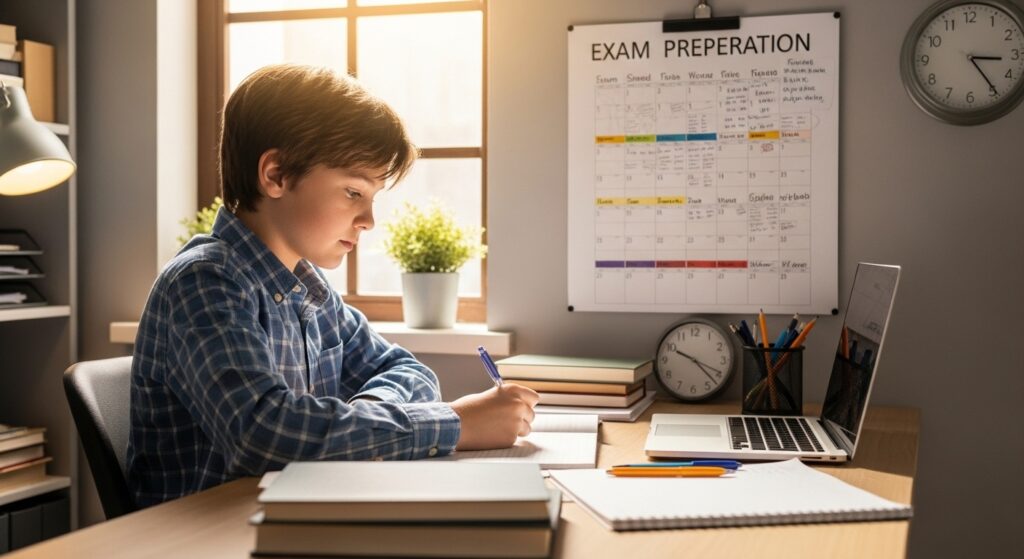
For small child’s break the syllabus into weekly study targets and daily study goals. For younger children, set small goals, like completing a chapter or a set of problems each day, while older students can follow topic lists and timed mock tests.
Using a wall calendar study schedule or a shared study planner helps everyone stay aware of quiet study days and prevents last-minute cramming or surprise tuition sessions.
Following a structured pre-exam preparation and progressive learning plan ensures consistent pacing, builds confidence, and supports strategic exam planning so kids approach each exam with focus and readiness.
2: Set Up an Effective Study Space
Creating a dedicated study corner can make a huge difference in a child’s exam preparation journey, Choose a well-lit study area with a comfortable desk and chair.
Ensuring an organized study desk setup where books and stationery are easily accessible. Keep the space uncluttered and free from distractions, using mobile-free study sessions and focus mode for studying to maximize concentration.
Even in compact homes, a small, structured corner can serve as a personalized study area, while calming study rituals like a short break or a quick stretch help maintain energy.
Arranging bookshelves and maintaining a supportive learning atmosphere encourages productive study habits for children, making it easier to follow a consistent study routine and stay focused throughout their preparation.
3: Organize Study Materials
A well-structured study material system is essential for an efficient exam preparation plan for children, Begin by reviewing the syllabus and breaking it down into manageable sections.

Ensuring a subject-wise study organization, Keep textbooks, notes, and exam revision resources neatly arranged so your child can easily access what they need.
Parents can provide coordinated study support by tracking academic progress and collaborating with private tutors when necessary.
Maintaining an organised syllabus breakdown and a clear exam readiness checklist helps children stay focused and confident.
This guided exam preparation approach, combined with a supportive learning environment, ensures that kids follow a structured study plan while maximizing their efficiency and building consistency.
4: Set Small Goals and Track Progress
Breaking study tasks into small, achievable goals helps children maintain focus and confidence throughout their exam preparation journey.
Using session-based study targets or writing goals on a whiteboard allows for easy progress monitoring for students and helps visualize accomplishments.
Celebrating incremental study milestones with a simple reward or acknowledgment can boost student motivation and reduce feelings of overwhelm.
Setting timed study tasks and short-term academic goals encourages productive study sessions while fostering a focused study habit.
Consistently tracking measurable learning outcomes and completing achievable exam preparation targets gradually builds momentum, instills a sense of ownership in learning, and supports a structured effective study routine for children.
5: Align Study Methods with Learning Styles
Understanding how a child learns best can transform their exam preparation journey. For visual learners, using diagrams, color coding, and charts makes concepts easier to grasp.
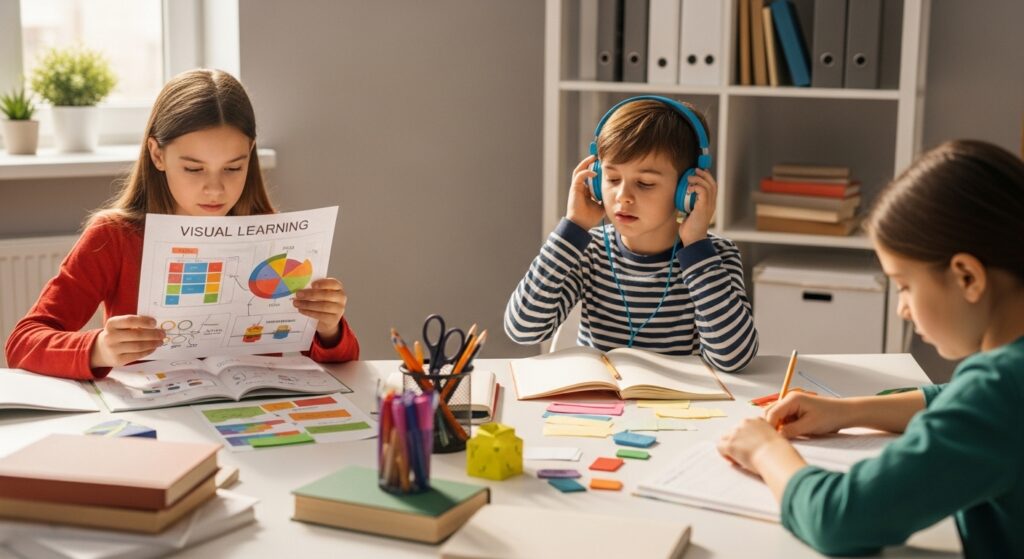
While auditory learners benefit from voice notes, reading aloud, or explaining answers to someone else. Children who respond to movement or touch excel with kinaesthetic learning activities.
Such as hands-on exercises or role-playing scenarios. Adapting study habits to personalized learning methods ensures each session is productive and engaging.
Combining blended tuition and learning approaches with a student-centered study plan allows kids to maximize learning potential, stay motivated, and adopt effective study techniques for children that complement their natural strengths.
6: Maintain a Balanced Routine
A successful exam preparation plan for children goes beyond just study hours; it requires a balanced daily routine that combines learning, rest, and play.
Encourage 25-40 minute study sessions followed by 5-10 minute rest periods to maintain focus and prevent burnout.
A consistent evening routine with screen-free bedtime and at least 7 hours of sleep ensures children stay refreshed and alert.
Incorporating physical activity or light play between study blocks supports concentration and energy levels.
An adaptive study schedule that blends productive learning with breaks helps kids manage time efficiently while fostering healthy study habits. This approach promotes child study wellness, allowing them to remain calm, focused, and energized throughout their preparation.
7: Emotional support and motivation
Providing emotional support is a vital part of any exam preparation plan. Help your child manage stress by teaching simple morning exercises and creating a calm, positive study environment.
Use positive reinforcement and reward small study achievements to build confidence and encourage consistent effort.
Avoid pressure and comparisons with peers, focusing instead on child-focused encouragement and motivational study conversations.
Breaking tasks into short, manageable study sessions helps reduce anxiety and keeps learning progressive.
Supportive parent guidance and a nurturing learning mindset enable children to stay motivated, handle exam nerves, and maintain emotional wellbeing while following a structured preparation strategy.
8: Practice with Past Papers and Mock Tests
Incorporating past exam papers and mock tests into a child’s study plan strengthens their exam readiness strategy.

Encourage timed practice papers and mini mock tests for young learners to help them become familiar with exam question patterns and manage time effectively.
Reviewing mistakes and discussing common errors reinforces learning and builds confidence, Older students can benefit from full-length mock exams in a quiet study space.
While personalized practice sessions allow children to focus on weaker areas, Regular structured exam practice not only improves exam technique.
But also helps kids empower their learning abilities and adopt effective test preparation habits. Consistent practice ensures students feel prepared and calm on the actual exam day.
9: Ensure Smart revisions but active, not passive
Our last step of Before Exams strategy for exams preparation is Active Revision. It isn’t just about rereading notes, it’s about active revision techniques for kids that make learning stick.
Encourage the use of flashcards, mind maps, and oral quizzes to review key concepts and identify areas that need improvement.
The teach-back method, where children explain topics to a sibling or parent, helps enhance understanding through teaching and uncovers gaps in knowledge.
Reviewing formula sheets and analyzing past errors allows for efficient exam revision while avoiding last-minute cramming.
Incorporating interactive and hands-on revision activities keeps sessions engaging, promotes retention, and builds productive revision habits. This approach ensures exam preparation efficiency while maintaining focus and confidence in learning.
Successful Exam Day Tips for Children’s
1: Start with Positive Note
Kicking off the day with a positive mindset for exam preparation sets the tone for focused and confident learning.

Encourage children by acknowledging their efforts and boosting child confidence rather than stressing outcomes.
Maintaining a calm home for studying and a stress-free study environment helps reduce anxiety and fosters a confident learning attitude.
Offer supportive parent guidance through gentle reminders and constructive feedback, empowering children to approach each task with optimism.
Reinforcing abilities, celebrating small achievements, and promoting optimistic thinking builds emotional resilience and encourages students to embrace challenges. Starting with positivity helps establish a nurturing study environment that enhances focus and mental readiness for exams.
2: Ensure Proper Sleep & Nutrition
A key part of a successful exam preparation formula is ensuring they get adequate sleep and healthy nutrition.
A well-rested mind improves focus, memory retention, and overall exam performance, while proper hydration and a balanced diet during exams sustain energy for long study sessions.
Avoid heavy or sugary foods that can lead to energy crashes, and encourage nutritious meals for students to maintain mental alertness.
Establishing an optimal sleep schedule for children and combining it with healthy eating habits during exams helps reduce stress, boosts concentration, and supports child wellness during exams, ensuring a more productive and calm study routine.
3: Prepare exam bag the night before
A simple but effective step in a child’s exam preparation routine is to pack the exam bag the night before, Using an exam readiness checklist, ensure all essential items for students are included.
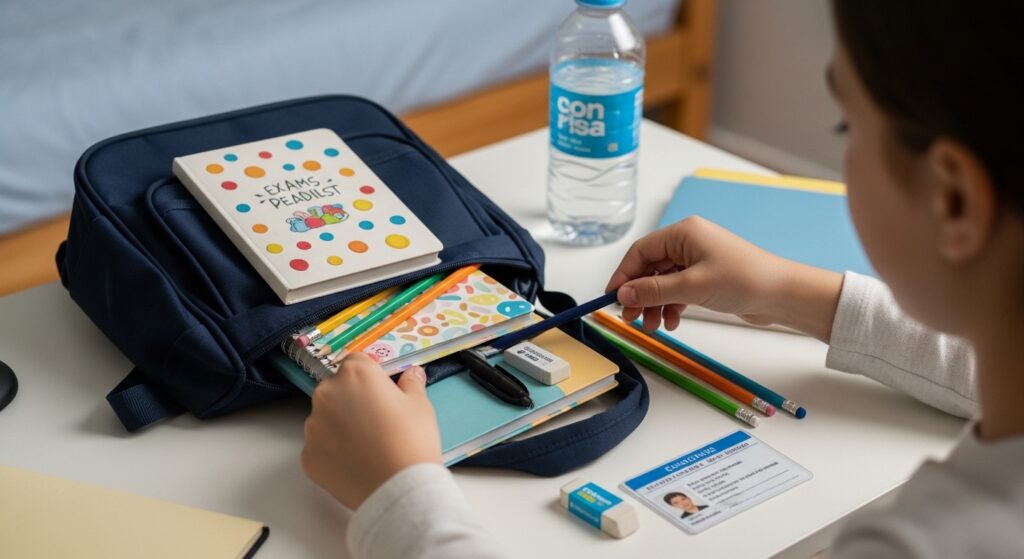
Such as pens, pencils, a water bottle, and a personalized exam pad. Double-check stationery and other study materials to avoid last-minute panic on exam day.
Preparing in advance creates a calm exam morning, reduces stress, and helps children feel organized and confident.
Encouraging kids to follow a night-before exam routine teaches them responsibility and ensures they have everything they need for a stress-free exam day, making the exam preparation process smoother for both parents and students.
4: Use Familiar Tools & Encourage Them
Another key part of a smooth exam preparation Plan for students is ensuring they use familiar stationery and study tools.
Items like a personalized writing pad, custom pens, or child-friendly materials provide comfort and help boost focus during study sessions and on exam day.
Encouraging children to rely on tools they know reduces anxiety and fosters exam day confidence, while a calm study environment enhances concentration.
Parents can offer supportive guidance without taking over, helping children develop independence and motivation. Consistently using familiar materials creates a sense of security, making study sessions more effective and contributing to a stress-free and positive exam experience.
5: Revise & Check if All Essentials are Packed
As part of a well-planned exam preparation plan, it’s important to revise and ensure all essentials are packed before heading to the exam center.
Use a final exam checklist for kids to double-check the exam bag, making sure writing pads, pencils, pens, erasers, and ID cards are included.
Avoid introducing new material at this stage; focus on a final revision routine to boost confidence, Verifying study essentials ahead of time helps create an organized exam bag.
Prevents last-minute stress, and ensures a calm, stress-free departure. Teaching children to follow a student exam bag checklist reinforces responsibility and contributes to a smoother exam day preparation process.
Your Child’s Exam Success Checklist
Parents can greatly improve their child’s exam performance by applying a clear and practical exam preparation schedule.
Start your strategy by creating a simple study plan , encourage regular revision, and make sure children take short breaks to stay mentally fresh.
Support them by organizing study materials, discussing difficult topics, and maintaining healthy sleep and meal routines during exam time.
These small but consistent actions help children stay focused, reduce exam stress, and build the confidence they need to perform their best on exam day.